
How much does an EPOS system cost in the UK?
Most EPOS quotes hide the real number in the monthly line. Here is every cost you should expect in 2026, and how to work out your four-year total.
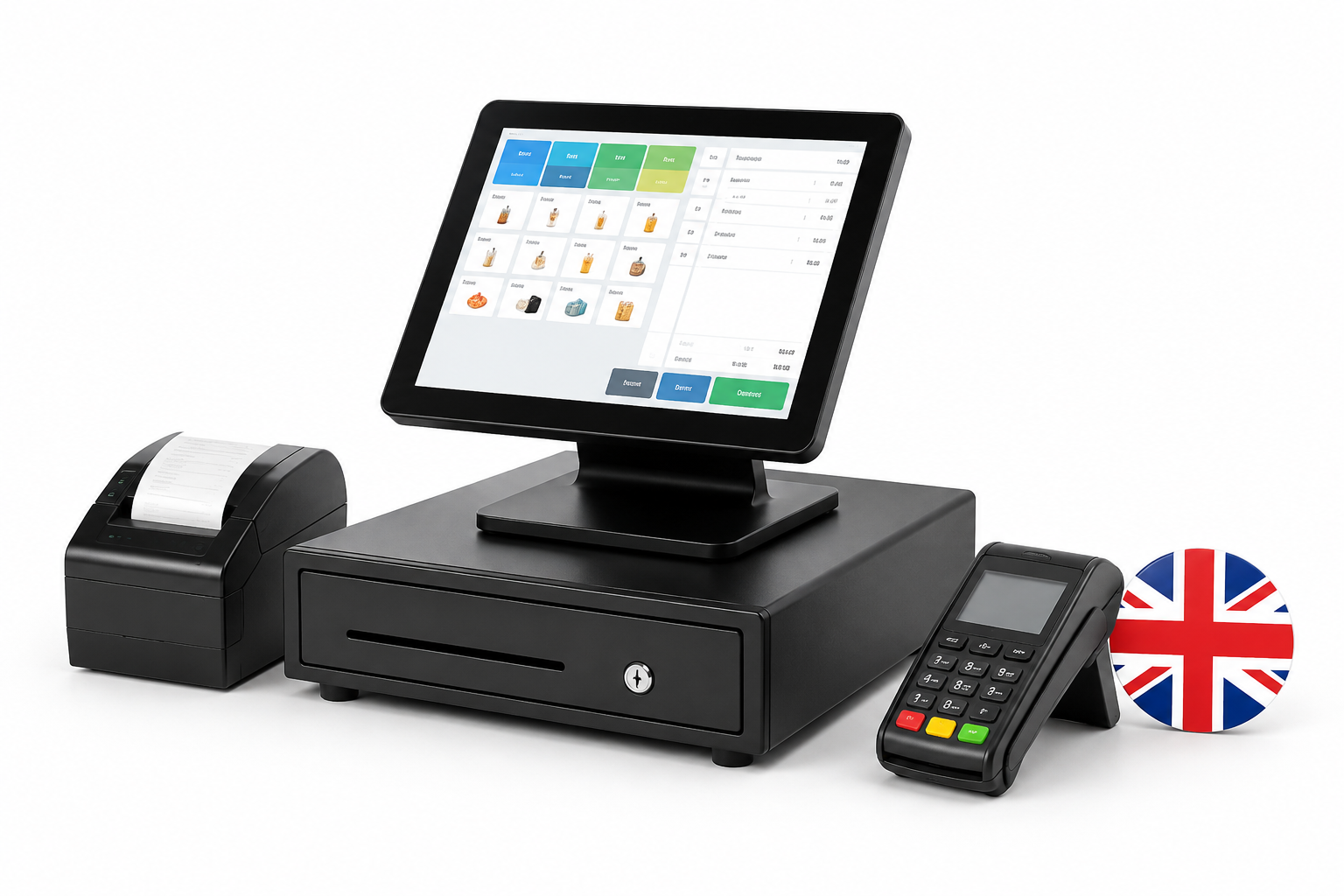
The honest answer for a single-till UK independent in 2026 is somewhere between £600 and £2,500 over four years, all in.
That's a wide range because quotes are structured to be hard to compare. One supplier gives you free hardware and charges heavily each month. Another charges once for the kit and keeps the monthly small.
Below is every line item you should expect, and how to turn two very different quotes into one number you can actually compare.
The five costs that make up an EPOS quote
Almost every quote is built from the same parts, even when they're named differently.
- Hardware — terminal, drawer, printer, scanner. Paid once, or bundled into a monthly figure.
- Software licence — a monthly fee per till, sometimes per user.
- Setup and installation — building your product list, delivery, engineer time.
- Support — included, or charged as a separate care plan.
- Card processing — a separate contract with its own rates and terminal rental.
The trap is that suppliers move cost between lines. Free hardware is rarely free; it's rented back to you at a monthly rate you'll pay for years.
Typical UK price ranges in 2026
The table below reflects advertised ranges across the UK market as of August 2026. Providers change pricing often, so treat this as a guide and check current figures with any supplier you're talking to.
CostTypical UK rangeWhat to watch
Hardware bundle, one till | £300–£1,500 + VAT one-off | Whether it includes a drawer, printer and scanner
Software licence | £12–£70 + VAT per till, per month | Per till or per site, and price rises mid-term
Setup and product loading | £0–£300 + VAT | Who builds your product list, and how many lines are included
Installation and training | £0–£400 + VAT | On site or remote
Support plan | £0–£30 + VAT per month | Phone or email only, and the hours it covers
Card machine rental | £15–£30 + VAT per month | Contract length and whether it's separate to the EPOS deal
Extra till | Hardware cost plus a second licence | Some suppliers charge full price for a second screen
Zivaro's bundles are a one-off purchase, and every bundle is £12 a month + VAT for software and support. Current prices sit on the products page.
The costs that show up after you sign
These are the ones that turn a cheap quote into an expensive four years.
- Annual price increases — often tied to inflation plus a few per cent, applied every year of the term.
- Minimum monthly service charge on the card side, payable in quiet months even if you barely trade.
- PCI compliance fees, and non-compliance charges if you don't complete the questionnaire.
- Paper, labels and spare drawers, which are small but recurring.
- Integration fees for accounting software or delivery platforms.
- Early termination charges if you leave before the end of the term.
Before you sign anything, run the agreement through our EPOS contract checklist. It lists the clauses that cost people the most.
How to compare two quotes properly
Work out the four-year total for each. That's the only fair comparison, because most EPOS contracts run three to five years.
Use this: upfront cost + (monthly cost × 48) + setup fees + estimated card processing over four years.
Then ask one more question for each quote. If you walked away after two years, what would you owe? The answers vary enormously, and that's usually where the real cost is hiding.
What this looks like in a real business
Here's an illustrative comparison for a single-site café with one till. The figures are invented to show the structure, and the assumptions are stated so you can swap in your own.
Assumptions: one terminal, four-year horizon, no price rises, card processing excluded from both because it's a separate contract.
Quote A: nothing upfrontQuote B: buy the kit
Upfront | £0 | £850 + VAT
Monthly | £55 + VAT | £12 + VAT
48 months of fees | £2,640 | £576
Four-year total | £2,640 + VAT | £1,426 + VAT
Quote A looks cheaper on the day you sign and costs roughly £1,200 more over the term. Quote B needs cash up front, which is a real constraint for a new business.
Neither is automatically right. The point is that you can only see the difference once both are expressed as a single four-year number.
Frequently asked questions
Is there a free EPOS system in the UK?
There are free software tiers, usually tied to a payment contract with higher processing rates. You're paying either way; it just moves from a monthly fee into your card charges.
What is a typical EPOS monthly cost?
Advertised UK monthly software fees commonly land between £12 and £70 + VAT per till as of August 2026. Check what's included, because support and updates are sometimes extra.
Do I pay VAT on an EPOS system?
Yes. Quote figures are usually shown excluding VAT, so add 20% to compare like with like. If you're VAT registered you can normally reclaim it — check with your accountant.
Are card processing fees included in the EPOS price?
Almost never. Card processing is a separate agreement with its own rates, and it often costs more per year than the till. Our card machine page covers how those charges are built.
Is it cheaper to buy an EPOS system outright?
Usually over three or more years, yes. It depends on your cash position and how long you plan to keep the hardware.
Get a written quote with the four-year number on it
Ask us for a no-obligation quote and we'll set out the upfront cost, the monthly cost and the total over the term in writing, on one page. We'll also tell you which parts of your current setup you can keep. You can compare it against anything else you've been sent, including our own EPOS system pages.
More EPOS guides

EPOS Running Costs: What Will Your Business Pay Each Month?
Your EPOS subscription is only one part of the monthly bill. Card processing, terminal rental, integrations and everyday supplies can also affect what you pay. This Zivaro guide breaks down EPOS running costs, with a practical budget example and clear questions to help your UK business compare packages and plan ahead.
Read article
POS Warranty and Guarantee: A Practical Guide for UK Businesses
What does your POS warranty actually cover? This guide from Zivaro explains what UK businesses should check before buying, from equipment protection and repair arrangements to support hours, exclusions and cancellation terms. Learn which questions to ask and what to do if your EPOS system develops a fault.
Read article
How to Train Temporary Staff to Take Card Payments Confidently
Help temporary staff take card payments confidently from their first shift. This practical guide covers checking amounts, confirming payments, handling declines and knowing when to ask for help, with everyday examples for UK shops, cafés, restaurants and takeaways.
Read article